
Am I Willing to Count Forks?
God impressed this question on my heart during a recent study of Ezra. After serving with Ethnos360 in Southeast Asia Mainland for 18 years, God now has me in an unexpected ministry far behind what many consider to be the forefront of missions. Many see the forefront of missions as a remote place in another country, where the missionary must learn a different culture and language to teach the Bible.
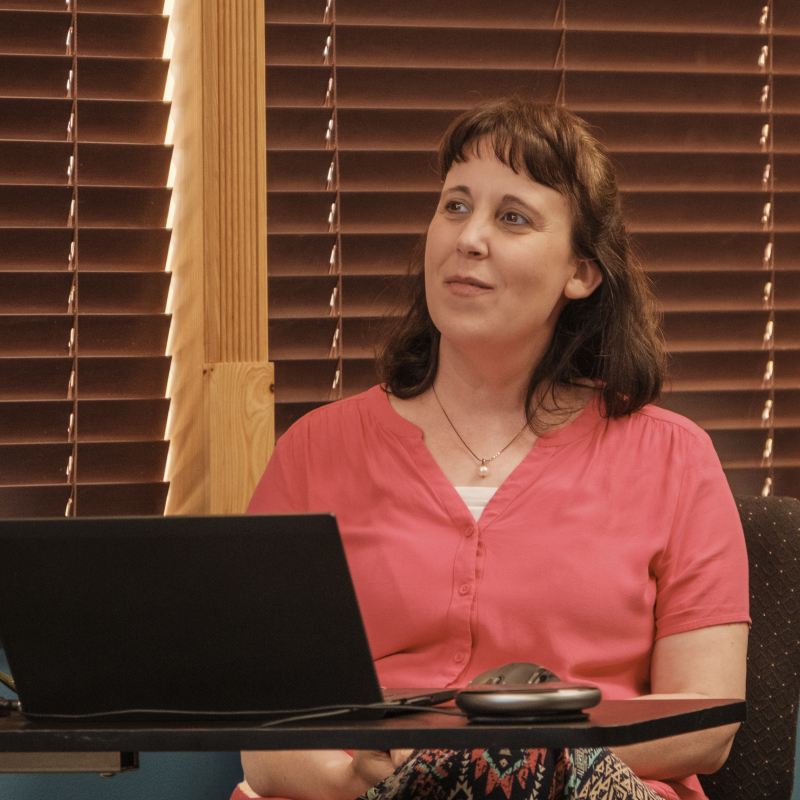
My current ministry is serving in the Information Technology (IT) division of Ethnos360 as an administrative assistant. My daily work involves planning meetings, onboarding new IT staff, taking notes and organizing essential information. Sometimes my heart aches to be in Asia again, teaching God’s Truth in the heart language of my friends there. Sometimes I wonder about my daily tasks in this role when they are so different from what God originally called me to do.
The question about counting forks came when I noticed in Ezra that God specifically named and called some servants to do behind-the-scenes work to facilitate His worship.
Ezra led the Jewish exiles back to Jerusalem from captivity in Babylon to rebuild the temple. His God-inspired record names and counts all groups who were a part of re-establishing worship in the temple. These people would make it possible for the nation of Israel to worship God in the way He specified.
God stirred up their spirits to go and rebuild the temple (Ezra 1:5). Ezra includes many different roles in his list: priests, Levites and temple servants (Ezra 2:36-70). The priests and some Levites could be considered on the forefront of temple service. The priests offered sacrifices, taught the Law and judged the people. Some Levites assisted the priests, purified objects and led worship through music (Nehemiah 8:7-8, 1 Chronicles 23:3-5, 28-32).
However, I noticed that the Bible also records the names of Levites serving in less prominent ways in the temple worship. These Levites serving in behind-the-scenes roles were an important and necessary part of worshipping the Most High God in the way He commanded.
Counting Forks and Guarding Gates
Some Levites were “in charge of the serving utensils, being required to count them when they brought them in or took them out” (1 Chronicles 9:28 AMP). Their job was to do a daily count of the utensils, like the meat forks, shovels and bowls used in the sacrifices. Some had the job of counting forks every day!
Others prepared the food used in worship. It says “Mattithiah … was entrusted with the responsibility for baking the offering bread” (1 Chronicles 9:31 NIV). This was not just a random assignment: Mattithiah was entrusted with this job of baking the bread used in worship, day after day.
Other Levites were gatekeepers who were “in charge of the gates of the house of the Lord … as guards” (1 Chronicles 9:23 ESV). This included taking turns being stationed to guard it at night. Their responsibility was watching — to safeguard and protect the treasures within God’s temple.
Regardless of whether these servants of God counted forks, baked bread or guarded gates, their purpose was the same: to make sure people worshipped God as He designed.
I was encouraged that God recorded the names of His servants who did these behind-the-scenes jobs in the temple because so many of the tasks that my co-workers and I do each day in our IT roles are similar.
Just like God noticed these daily temple tasks, He sees the daily support tasks we do so that people around the world can worship Him: writing computer programs, setting up email accounts, configuring network equipment, protecting against cyberattacks and helping missionaries with computer questions. God also sees my co-workers in the finance office who process donations and those in the personnel department who update records and assist new staff members.
Without these tasks of “counting forks,” our missionaries would not have the finances or computer resources needed for them to help plant thriving churches. God uses the people who are doing those tasks to be a part of His glory being seen in all people groups.
Chosen and Entrusted
Not only does the Bible name these roles, but it also says that King David and his officials specifically chose the people for their temple roles (Ezra 8:20). They were chosen by God-appointed leaders for their roles of service, just like our missionaries are appointed by local churches to serve. Today we often say that those chosen by the church for ministry are “called to ministry.” These Levites were “called” to count forks, bake bread and guard gates. Today support missionaries are called to serve in many different operational ministries like finance, information technology, maintenance, communications, MK education, member care, food services and mobilization.
The Bible also explains that the gatekeepers were chosen and entrusted by David and Samuel to guard the temple and its treasures (1 Chronicles 9:22–26). Their obedience was essential to people worshipping God in His temple.
Likewise, when our finance team processes donations and prepares audit reports and when our IT team protects Bible translations and personnel records from cyberattacks, they are playing crucial roles in advancing the worship of God among the nations.
Isn’t it encouraging to know that God uses these unseen tasks to bring glory to Himself? He has chosen and entrusted people for these unique support roles so that worship can flourish worldwide.
God calls people in different seasons of life to use their gifts in support roles. Some He calls after missions training, others after serving overseas and others even mid-career or in retirement.
How has God chosen and entrusted you? Are you willing to count forks for God’s glory? Will you step into the role He’s asking of you by serving behind the scenes? Is He leading you to support those behind the scenes with prayer and finances so that His name is worshipped among the nations?
— Tamara See
Administrative Assistant for Ethnos360 IT