
The Fields Are White for Harvest
Who are the Inuit people?
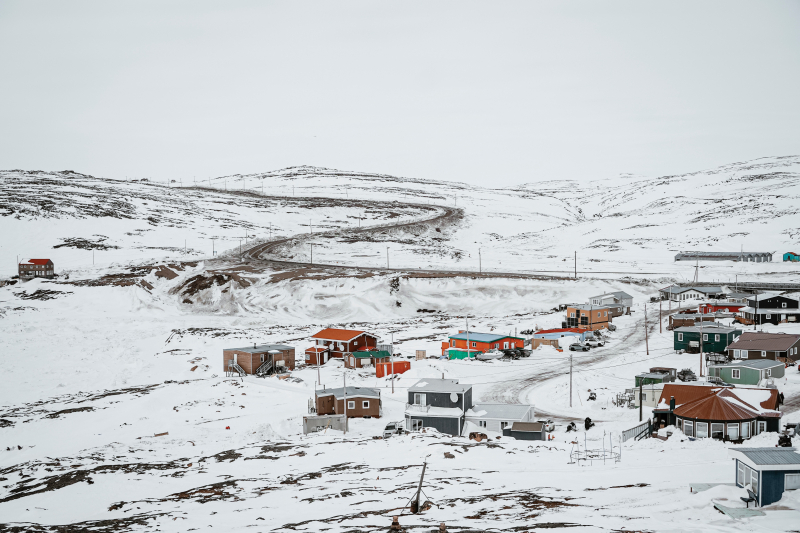
Across the vast, snow-swept Arctic, the Inuit embody a resilient spirit, thriving in some of the harshest landscapes on earth. Daily snowfall, long periods of darkness, walruses and polar bears, brightly painted buildings against a white, barren backdrop of snow and ice — these are likely not the things that come to mind when you think about missions and cross-cultural church planting. Yet, we find that God is broadening our horizons.
Ethnos Canada has been a sending entity for decades, sending missionaries around the world, teaming up with other Global Partner entities. However, in the last few years, they have begun to look at their own country and have found new opportunities to see thriving churches within their own borders.
In the Canadian Arctic, there is a large population of the Inuit people. But that’s not the only place they live. There are 70,545 Inuit people in Canada; 51,000 in Greenland; 44,000 in Alaska; and 2,000 in Russia. Many of the Inuit speak both English and Inuktitut, a rich language with eight main dialects. Some Inuktitut speakers would consider Inuktitut their heart language — the language they connect with on the deepest level, thus, the language through which spiritual truths most effectively transform lives. More ministry opportunity assessments will have to be done to see how different the dialects are for future Scripture translations or revisions and for writing Bible lessons.
A New Work Begins
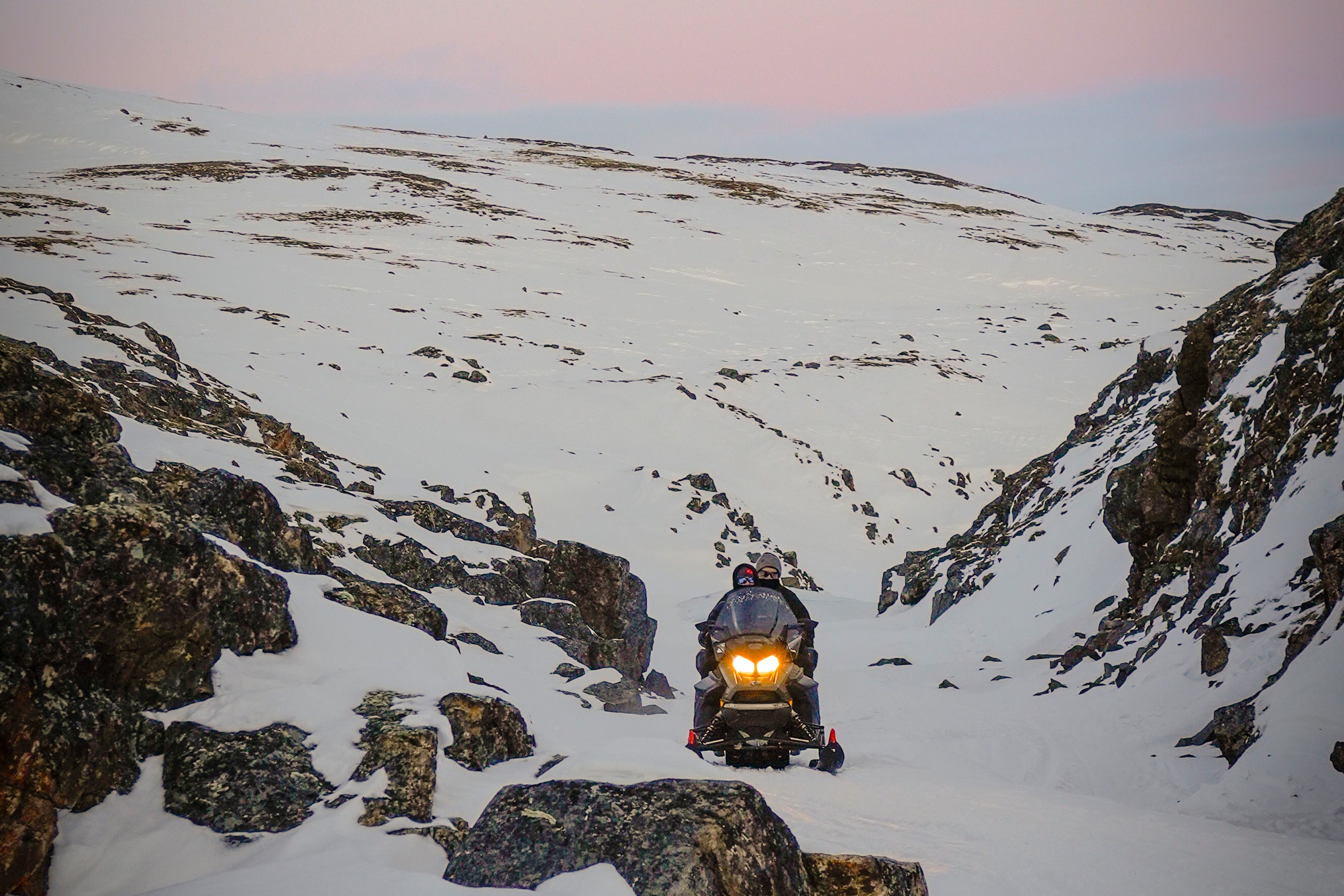
In the early 2020s, missionaries Rob and Hilary Bartholdson, Gideon and Cassidy Willard, and Brandy and Lanie-Joy Whatley became Ethnos360 and Ethnos Canada’s first missionary team to the Canadian Arctic. (Due to a serious accident, the Whatleys have had to step away from the work in the Arctic.) As they pioneer this work, they face many obstacles and challenges. They are adapting to a completely new-to-them culture and language and overcoming differences in order to build relationships with their new neighbors. They are plunging into a completely new lifestyle as they live, minister and travel in extreme conditions. They are interacting with people who have fallen into addiction and face mental illness because of the climate, culture and lack of sunlight; most of these people do not have the eternal hope that comes through trusting in Christ. And the team is trusting God to help them overcome religious barriers including folk Christianity, animism and syncretism.
There are other communities of Inuit that the team hopes to spread to in the future. Those will be reached by air due to the distance. There are more unreached people in the Canadian Arctic than one team alone can reach. Pray that the Lord would raise up more people willing to face the challenges of Arctic life to bring the light of God’s Word to physically, emotionally and spiritually dark places.
Praise God that Brian and Michaella Bittner and Carolyn Bosman have heard of the need among the Inuit people and have determined to go. The Bittners are working on building a team that will support them with prayer and finances so they can move to the Arctic and begin their ministry there. In December 2025, Carolyn moved to Arctic Canada to begin learning the Inuit culture and language.
What is our part in this important work?
We need to keep the missionaries in Arctic Canada in our prayers as they face that language with its twists and turns. They need us to pray for their relationships; they need us to pray with them as they learn from the Inuit in order to be able to share with them the most precious news ever. Please keep the Willard, Bartholdson and Bittner families and Carolyn in your prayers.
As we venture into new regions of Arctic Canada, we recognize the need for more survey research to steward the resources and personnel God has given us in the wisest way possible. Ministry opportunity assessments will help us determine where to send missionaries, how many missionaries are needed, what kind of access the people group has or does not have to God’s Word in their language, and how we can partner with Inuit believers. We need to consider what kind of approach we should take — for example, which identity the missionary should wear. (Click here to read about identities.)
Through helping to fund these ministry opportunity assessments, you can be a part of the work God is doing to see a thriving Inuit church in every Arctic community.